


NYPD Officers Face 12-Hour Shifts as New York Prepares for Busy Summer of Major Events
Written By: Gianna Buro
NEW YORK — Thousands of New York City police officers will begin working mandatory 12-hour tours starting July 1 as the city prepares for one of the busiest and most heavily secured summers in recent memory.

NYPD Commissioner Jessica Tisch announced that most uniformed officers will be assigned extended shifts from July 1 through July 7 as part of a heightened security plan surrounding the Fourth of July holiday, international sporting events, and several large-scale celebrations taking place across the city.
According to city officials, the temporary schedule change is intended to address what
has been described as an unprecedented threat environment. The city is preparing for large crowds connected to Fourth of July festivities, World Cup-related events, America250 celebrations, Sail250 activities, and other major gatherings expected to attract millions of visitors.
The department plans to deploy thousands of officers throughout the city, including approximately 2,600 officers assigned to foot patrol duties during overnight and early morning hours. Officials say the increased staffing will help secure transportation hubs, waterfront areas, parade routes, and locations connected to World Cup activities.
While city leaders emphasize public safety, the announcement has generated mixed reactions among officers and residents.
NYPD officer Michael Rivera said he understands the department's reasoning but believes the extended tours will place additional stress on officers.
"When major events happen, extra staffing is necessary," Rivera said. "But twelve-hour shifts can be exhausting. Officers are expected to stay alert and make split-second decisions throughout the entire tour."

Rivera added that long hours can impact officers' personal lives as well.
"Many officers have families and responsibilities outside of work," he said. "Even though this is temporary, it can still be difficult."
New York resident Sarah Thompson said she supports the increased police presence during the summer events.
"With so many visitors coming into the city, especially for the World Cup, I think having more officers visible will make people feel safer," Thompson said. "It's a major event, and security has to be a priority."
However, not everyone believes longer shifts are the best solution. Some critics argue that officer fatigue can affect decision-making and overall effectiveness. Research in law enforcement has frequently examined the relationship between long work hours and stress, raising concerns about burnout and fatigue among officers working extended tours.
City officials maintain that the temporary shift change is necessary because of the unique combination of events scheduled throughout July. Security experts have also pointed to concerns about emerging threats, including drone technology and potential attacks on large public gatherings, as reasons for increased staffing levels.
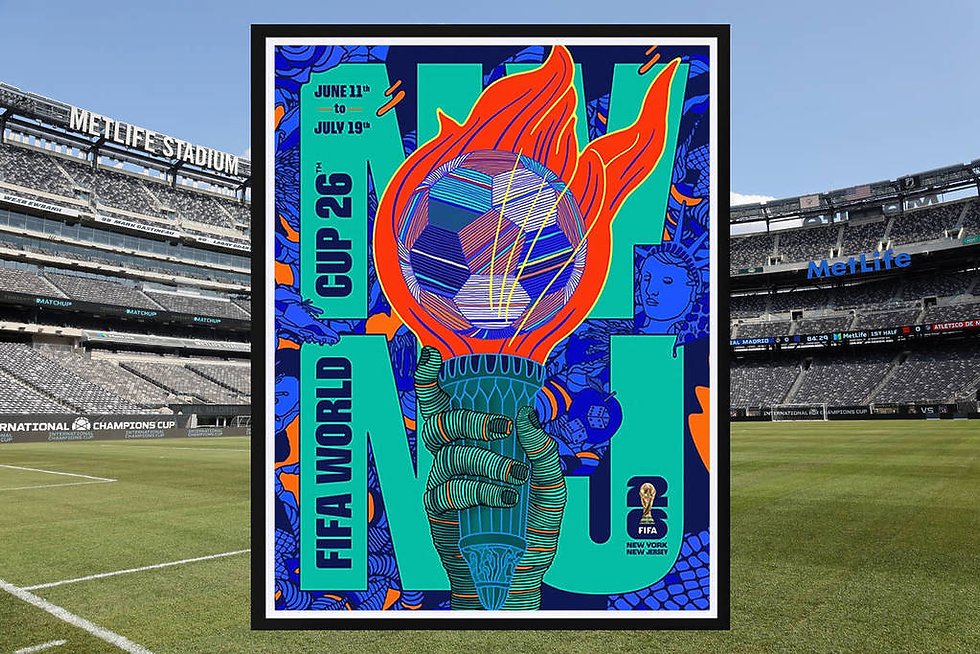
The World Cup is expected to be one of the largest events hosted in the region this year, with MetLife Stadium scheduled to host the tournament final later in July. The event is expected to draw visitors from around the world, creating significant logistical and security challenges for local law enforcement agencies.
Local business owners are also preparing for the increased number of visitors expected throughout the summer. Many believe the World Cup and other large events will provide an economic boost for restaurants, hotels, and retail stores across the city.
Paul Marino, the owner of a Manhattan restaurant, said he welcomes the increased police presence despite concerns about longer shifts.
"When you're expecting thousands of extra visitors, security becomes extremely important," Marino said. "People are more likely to come into the city, eat at restaurants, and enjoy events if they feel safe. I think most business owners understand why the department is taking these precautions."
Marino acknowledged that the extended shifts may be difficult for officers but said public safety should remain a priority.
"I feel for the officers because twelve hours is a long day," he said. "At the same time, these events only happen once in a while. If extra staffing helps prevent problems and keeps visitors safe, then it's probably worth the temporary inconvenience."
The discussion surrounding the new shift schedule highlights a larger issue that many police departments face across the country. Law enforcement agencies are often expected to respond to increasingly complex security concerns while also managing staffing shortages and officer wellness. Large-scale events such as the World Cup require months of planning and coordination between local, state, and federal agencies. Because New York City is one of the most recognizable cities in the world, security officials know that major international events can attract heightened attention and potential risks.

In my opinion, the city is justified in increasing staffing levels during a period that will bring extraordinary crowds and security concerns. Public safety should remain a top priority, especially during international events that attract worldwide attention. However, the department should also consider the physical and mental demands placed on officers who are asked to work longer shifts.
Police officers are expected to make critical decisions every day. They respond to emergencies, manage large crowds, investigate incidents, and interact with the public for long periods of time. When shifts become longer, fatigue can become a concern. Even the most experienced officers can experience physical and mental exhaustion after spending twelve hours on patrol. Because of this, city officials should continue monitoring officer wellness throughout the deployment period.
A possible solution would be increasing the use of voluntary overtime, coordinating with neighboring law enforcement agencies, and providing additional wellness resources for officers assigned to extended tours. These measures could help maintain public safety while reducing some of the strain on personnel. The department could also offer additional break periods, wellness checks, and mental health resources to help officers manage the demands of longer workdays.
Another recommendation would be evaluating the effectiveness of the 12-hour tours after the World Cup and summer events conclude. Gathering feedback directly from officers, supervisors, business owners, and residents could help determine whether the benefits outweigh the challenges. This information could be valuable when planning security operations for future events.
Looking ahead, the success of the July deployment may influence how New York City handles future large-scale events. If the operation proceeds smoothly, similar staffing models could become more common during major celebrations and international gatherings. On the other hand, if concerns about fatigue and morale become significant issues, city leaders may need to explore alternative staffing strategies.
For now, both residents and officers are preparing for a busy summer as New York City enters one of the most significant event seasons in its history. The coming weeks will likely serve as an important test of how the city balances public safety, officer well-being, and the demands of hosting some of the world's largest public events.


Comments