


Filtered Perfection: How Social Media Is Shaping Beauty Standards
Written by: Kayla Manzzo
Social media has become a major part of everyday life, especially among young adults. Platforms such as TikTok, Instagram, Snapchat, and YouTube allow users to share photos, videos, and personal experiences with people around the world. While social media can be a source of entertainment, inspiration, and connection, it has also changed the way many people view beauty. Constant exposure to influencers, celebrities, and edited images has created new beauty standards that can affect self-esteem, confidence, and body image.
The influence of social media on beauty standards has become a topic of discussion across the country. Many users spend hours each day scrolling through content that often presents unrealistic images of perfection. Filters, editing apps, and carefully curated content can make people appear flawless, creating expectations that are difficult or impossible for the average person to achieve.
Beauty standards have always existed, but social media has increased their reach and influence. In previous generations, beauty ideals were largely shaped by magazines, television, and advertisements. Today, social media allows beauty trends to spread almost instantly. A makeup technique, skincare routine, or fashion trend can become popular overnight through viral videos and influencer recommendations.
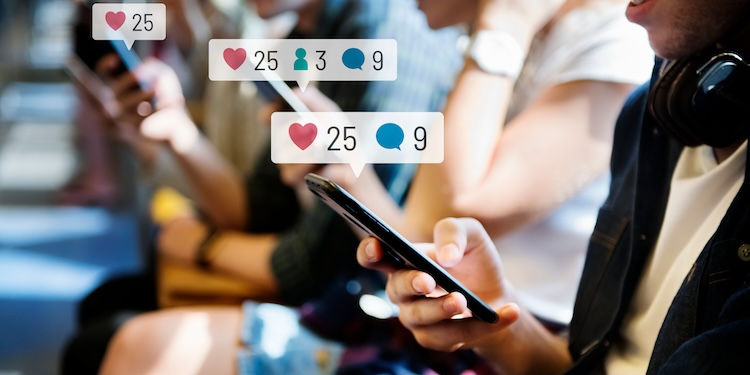
To learn more about how social media affects beauty standards, I interviewed Dorca Manzzo and Melanie Gangi about their experiences and opinions on the subject. When asked whether social media has influenced the way she views beauty or attractiveness, Dorca Manzzo explained that social media exposes people to many different appearances and lifestyles. She noted that while social media can inspire creativity and self-expression, it can also create unrealistic expectations about how people should look.
Melanie Gangi shared a similar perspective. She said “Social media often highlights edited and filtered content, making it difficult for users to remember that many online images do not accurately represent reality.” She believes that comparing oneself to these images can negatively affect confidence and self-esteem.
Another question focused on whether social media creates pressure to look a certain way. Both interviewees agreed that social media can encourage people to compare themselves to influencers, celebrities, and even their peers. The popularity of beauty trends, cosmetic procedures, and fitness transformations can make users feel pressure to change their appearance in order to fit in or gain approval online.
Social media platforms often reward appearance-based content through likes, comments, and shares. Because of this, many users feel encouraged to present an idealized version of themselves. Filters and editing tools can make it easy to remove imperfections, whiten teeth, smooth skin, and alter facial features. While these tools can be fun to use, they can also contribute to unrealistic beauty standards.
Research and public discussion surrounding social media have shown growing concerns about body image, especially among teenagers and young adults. Constant comparison to others can lead to feelings of insecurity and dissatisfaction. Many mental health professionals have emphasized the importance of developing a healthy relationship with social media and recognizing that online content often represents only a small part of reality.
Despite these concerns, social media is not entirely negative. Many creators use their platforms to promote body positivity, self-acceptance, and diversity. Social media has provided opportunities for people of different backgrounds, body types, and appearances to share their stories and challenge traditional beauty standards. As a result, many users are now exposed to a wider range of perspectives than ever before.
In my opinion, social media has both positive and negative effects on beauty standards. While it can inspire confidence and creativity, it can also create unrealistic expectations that affect mental health and self-esteem. The key is learning how to use social media responsibly and understanding that many online images do not reflect reality.
I believe social media companies should continue promoting authentic content and transparency regarding filters and photo editing. Users should also be encouraged to follow accounts that support positive messages and realistic portrayals of beauty. Education about media literacy can help young people better understand how online content is created and presented.
Looking ahead, social media will likely continue to influence beauty standards for years to come. New trends, technologies, and platforms will emerge, creating both opportunities and challenges. However, as conversations about mental health, body positivity, and authenticity continue to grow, there is hope that future beauty standards will become more inclusive and realistic.
Social media has transformed the way society views beauty. While it offers opportunities for connection and self-expression, it also creates pressures that can affect confidence and self-image. By recognizing both the benefits and drawbacks of social media, users can make more informed decisions about how they engage with online content and how they define beauty for themselves.


Comments