


Memes Become a New Form of Language
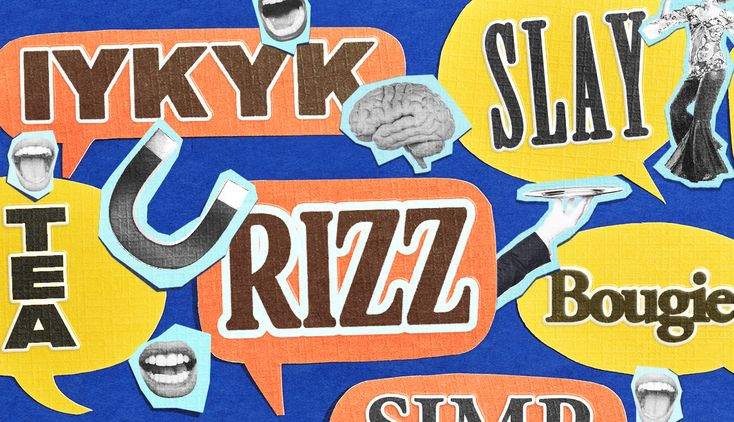
What started as ironic internet humor filled with words like “rizz,” “delulu,” and “we’re cooked” has quickly evolved into a new form of everyday communication, shaping how young people speak, socialize, and even think.
Written By: Taylor Wolfe
A New Digital Dialect
If someone walked into a college classroom five years ago and heard students casually saying phrases like “that’s so delulu,” “he’s got rizz,” or “chat, are we cooked?” they would probably assume everyone had collectively forgotten how to speak English. Now, those phrases are completely normal.
Modern internet slang, often referred to as “brain rot,” has rapidly moved from online comment sections to everyday communication. What was once ironic humor on social media has now evolved into a cultural dialect used by teenagers and young adults in classrooms and workplaces. While some people see it as harmless fun and a creative evolution of language, others worry that it may negatively impact communication skills, attention spans, and professionalism. One thing is certain: internet culture is no longer staying online.
What Even Is "Brain Rot"?
The phrase “brain rot” itself has become an internet joke used to describe the feeling of consuming so much media that a person becomes absorbed in it. What makes the phenomenon interesting, however, is how quickly these phrases spread. A single TikTok video can suddenly create a new word that appears everywhere within days. Terms like “rizz” (charisma), “delulu” (delusional), “cooked” (in trouble), and “lowkey” have become so commonplace that many students use them without realizing it. Even absurd phrases with no real meaning, such as “skibidi,” continue to spread simply because of repetition and humor.
For many people, using internet slang feels natural. “It’s honestly just part of how we talk now,” said one college student, Dennis. “Half the time I don’t even realize I’m using slang because everyone around me says the same things.” Another student, Eduardo, explained that internet language creates community. “When someone understands a random meme, it feels like you’re on the same wavelength.”

Social Media Created a Shared Language
That shared language is shaped by platforms like TikTok, Instagram, Twitch, YouTube, and X. Unlike older forms of media, short-form content spreads trends at an incredibly fast pace. Slang evolves almost daily, making internet culture a constantly updating inside joke that millions of people participate in. The result? A generation speaking in references.
Some educators, however, are beginning to notice the effects “internet speak” may be having in academic settings. Teachers report students occasionally using informal slang in essays, emails, and class discussions. One educator, Rachel, explained that while language naturally evolves, there is concern. Students now struggle to separate casual communication from formal writing. “There’s nothing wrong with slang,” Rachel said. “The issue is knowing when it’s appropriate. Students still need to understand professional communication skills. I had a student hand in an essay with the word ‘lowkey’ in it last week.” That distinction has become increasingly blurry in the digital age. Social media encourages constant casual contact, and many students spend hours consuming content that was designed for entertainment and speed rather than depth.
Humor, Irony, and "Meaningless" Trends
In many ways, internet slang reflects how communication has changed. Conversations move quickly. Posts are short. Videos are often under a minute long. Humor is built around the absurd, random, and overstimulation. Sometimes, the joke is that there is no joke. Trying to explain certain memes to someone not internet-savvy can feel nearly impossible. A phrase becomes funny just because everyone repeats it enough times—take “6-7,” for example. Entire trends are built around meaningless “brain rot” humor, where phrases like “skibidi,” “sigma,” or “only in Ohio” spread across the internet despite users barely understanding what it means. Eventually, irony turns into vocabulary.
It sounds ridiculous, because it is. Linguists and communication experts have long argued that slang is just a normal part of language development. Every generation has its phrases, especially ones that older generations dislike or misunderstand. Adults once criticized words like “cool,” “awesome,” or “whatever” in the same way people now criticize “rizz.” Today’s “brain rot” may simply be the newest version of generational expression.
Memes Entering Everyday Communication
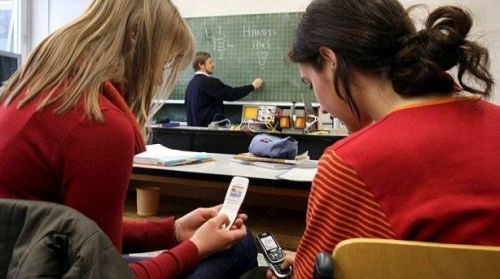
Though some students admit that internet culture can be excessive. Many describe moments where they accidentally reference memes in serious situations or struggle to focus without multitasking between multiple screens. “I caught myself saying ‘we’re cooked’ during a group discussion,” Mckenzie, a high school student, admitted. “Everyone laughed, but it just goes to show that internet slang is so automatic now.”
Others believe that constant exposure to short-form content may be affecting attention spans and communication habits altogether. Conversations increasingly mirror online content. It’s fast, fragmented, and filled with references. This has led people to question whether online humor has become too dependent on irony. Many memes intentionally avoid sincerity, often turning emotional or serious issues into jokes within hours of the event. Critics argue this form of humor can make meaningful conversations more difficult, especially among younger audiences who spend most of their social lives online.
At the same time, internet slang has also created creativity, connection, and accessibility. Online humor allows people across the world to instantly participate together in conversations and trends. It gives people a sense of identity and belonging in digital spaces that are increasingly shaping modern lives.
Where Internet Language Crosses the Line
Personally, I believe that internet slang is neither completely harmful nor entirely harmless. Language constantly evolves, and every generation develops its own style of communication. The problem is not the slang itself, but whether people can recognize the difference between casual conversation and real-world professional communication.
Additionally, there is a difference between useful internet slang and completely meaningless, though they both fall under the term “brain rot.” Some online language genuinely helps people communicate. Words like “rizz,” or “lowkey” can act as a generational shorthand. In that sense, internet slang can strengthen communication rather than weaken it. However, there is also a side of internet culture that is built almost entirely on randomness and overstimulation. Some trends spread because they are intentionally confusing. Phrases repeated endlessly without context may be funny in the moment, but they can also encourage communication without substance. When every conversation is layered in randomness, it’s hard to tell when people are being genuine.
My main concern is that “internet speak” is negatively affecting attention spans and social interaction. When communication becomes entirely based on trends, references, and short-form entertainment styles, people risk losing the ability to engage deeply with ideas and conversations. Humor is important, but so is knowing when to communicate seriously.
Internet slang will continue to become part of everyday conversation. Some phrases disappear within months, while others may permanently enter mainstream vocabulary. It would not be surprising if terms considered “chronically online” eventually appear in dictionaries, advertisements, or television shows. After all, language adapts to culture, and modern culture is deeply online.
Whether people see “brain rot” language as funny or concerning, it represents something bigger. It reflects a generation that is shaped by constant digital connection, rapid trends, and communication that moves faster than ever before. At this point, society may already be too far gone to stop it. Or, as the internet would probably say, “we’re cooked.”


Comments