


Through Sickness and Through Health, A Mother’s Journey Through Love, Loss, and Caregiving
Written by: Jake Guercia
When people hear wedding vows, the phrase “through sickness and through health” can sound routine or almost symbolic. But for my mom, those words became a reality that would shape nearly every aspect of her life for years.
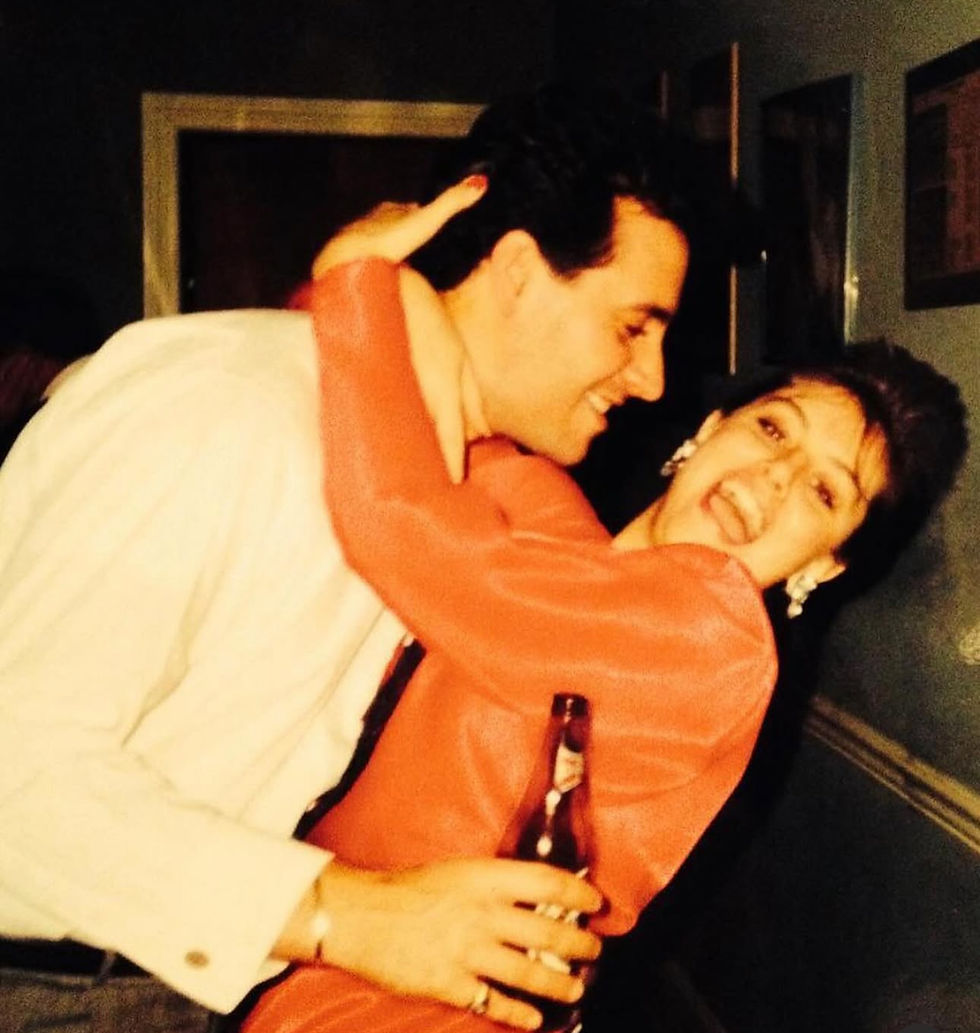
Before my father was diagnosed with Amyotrophic Lateral Sclerosis (ALS), life felt normal and full of happiness. My parents worked for British Airways, traveled the world together, and built a close knit family centered around love, laughter, and shared experiences. My mom remembers those years vividly.
“Life was amazing,” she said. “We truly were each other’s soulmates. We loved doing life together, cooking, laughing and hanging out with you kids. We traveled so much all over the world thankfully because your father and I worked for the airlines. It was perfect.”
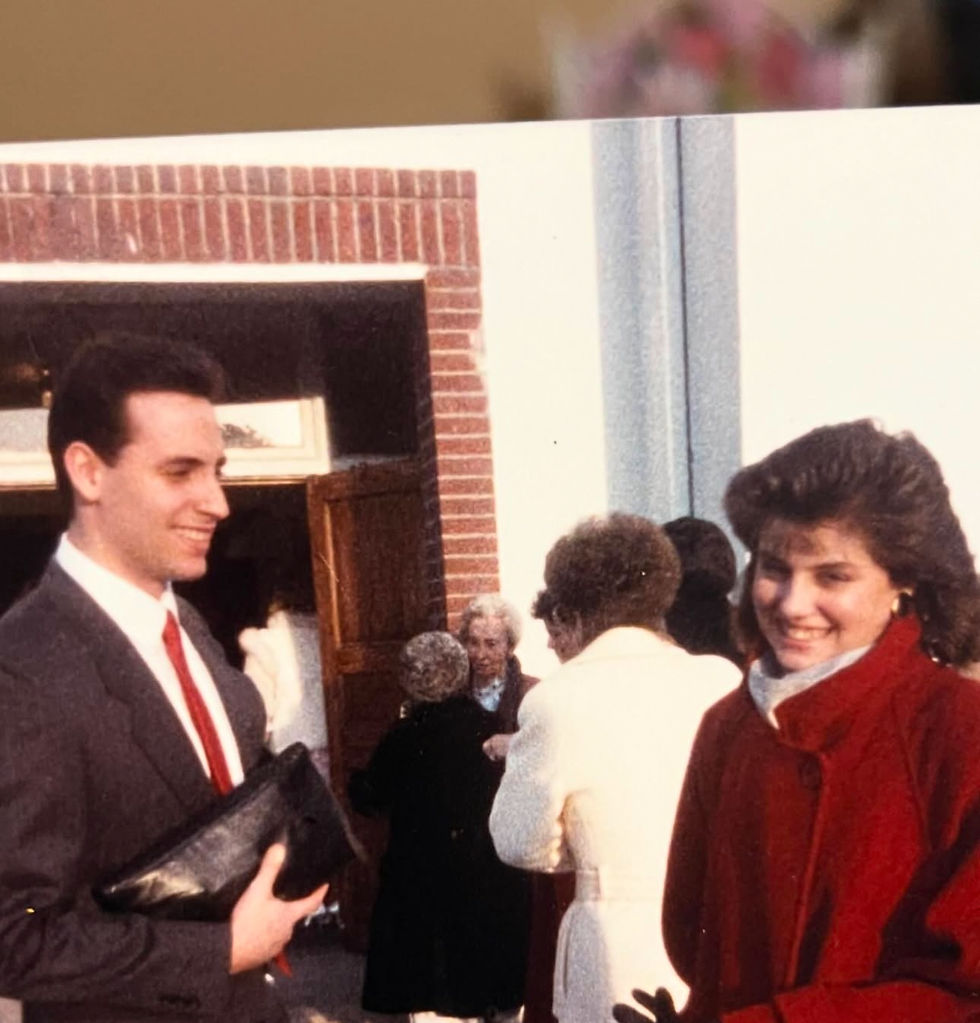
That perfect life changed after my father’s diagnosis. Although my mom had heard of ALS before, she did not fully understand the devastating progression of the disease until doctors explained it to them.
“I heard about the disease and somewhat knew about it but I didn’t really know what it entailed until the doctor told us,” she said. “It was truly devastating.”
ALS is a progressive neurological disease that weakens muscles and eventually impacts a person’s ability to speak, move, eat, and breathe. Overnight, my mom’s role shifted from wife and partner to full time caregiver.
“Complete 180,” she explained. “I had to learn new things and step outside of my comfort zone to take care of the man I love. Everything I did was to make sure he was comfortable or needed anything. As the disease progressed the help he needed was more and more.”
Her days quickly became structured around my father’s needs. What once consisted of family outings and travel became routines focused on caregiving and survival. Each morning began with helping him get dressed, preparing meals, and assisting him with everyday tasks most people take for granted.
“Wake up, help him get dressed then help him eat breakfast,” she said. “Then whatever needs after that I would fulfill whether it was taking him outside or putting on a specific game.”
Despite the emotional and physical demands, my mom worked hard to shield my sister and me from the weight she carried. At the time, my sister was only 13 years old and I was 9 when my father’s illness began progressing. Looking back, one of the biggest emotional struggles for her was watching us experience something so painful at such young ages.
“You kids,” she said. “I could never and still never imagine what it was like for you and your sister and I always say how I have no clue how you guys did it. You both are so strong and resilient it was inspiring.”
Even during overwhelming moments, she refused to let us see her break down.
“Of course,” she said when asked if she ever felt overwhelmed. “But never in front of you, your sister or him.”
Her motivation throughout those years came from love and commitment to her family. While the responsibilities were exhausting, she viewed caring for my father not as an obligation but as an act of devotion.
“Love and my two kids,” she explained. “They truly mean through sickness and through health when they say it and I meant it.”
As my father’s condition worsened, caregiving took a toll on my mom’s own mental and physical health. She began attending therapy to cope with the emotional burden while trying to maintain some sense of balance through exercise and walking whenever she had time.
“I started therapy because of it but still make it a point to workout and walk when I can to keep me in shape and my mental right,” she said. “Some days were harder than others but we took it one day at a time.”
The sacrifices she made touched every part of her life. Work became secondary. Personal time nearly disappeared. Even moments with family were often interrupted by caregiving responsibilities.
“Time at work, missed high school games, little time for self care… almost everything,” she admitted. “But I didn’t care because I love him.”
Still, amid the hardship, there were moments of joy that helped keep the family together. One of the most meaningful moments came when my father was able to watch both my sister and me graduate high school through a livestream from home.
“Having your father see you and your sister graduate high school made me so proud,” she said. “He fought everyday so hard and the fact that he was able to watch from home on the livestream was amazing.”
Although my mom tried to support everyone in the family, she admits balancing everything was nearly impossible. Much of her attention understandably went toward my father’s care, forcing my sister and me to become independent at an early age.
“I didn’t do that well,” she said honestly. “Most of the time I was with Dad and you and your sister were so good about it and very mature for your age so you were self sufficient when need be. You never complained but always were an open book and that helped us all as a family.”
Eventually, my father’s condition reached a point where full time medical intervention became necessary. During a doctor’s visit in 2012, he struggled to breathe and was rushed to the hospital. Doctors presented the family with two options, allow him to pass peacefully or place him on a ventilator and provide long term life support.
“Your father who swore he would never go on life support said he wanted to for the kids,” my mom recalled. “There was no option or choice because he made it.”
That decision changed the course of the next several years. My father would remain on life support and require 24 hour nursing care until his passing in March 2020. Throughout that time, my mom continued to stand by his side.
Fortunately, support from family, friends, and medical professionals helped ease some of the burden.
“Yes, the support was immense and it helped out so much,” she said. “Having friends and family during that time was crucial.”
The experience transformed how my mom views life and people around her. Living through years of illness and caregiving gave her a deeper appreciation for patience, gratitude, and empathy.
“Going through something like this completely changed your perspective on life,” she said. “I have become grateful and open minded to so many new things. I always lend a helping hand and absolutely never judge anyone I see in the street due to their situation.”
Even after years of pain, she says she would go through it all again for my father.
“How hard and demanding it is,” she said about caregiving. “But I would do it all again for your father.”
When asked what advice she would give someone caring for a loved one with a serious illness, her response reflected both heartbreak and compassion.
“Watching my husband go through this felt like my heart was getting ripped out everyday,” she said. “Be there for them, love them and care for them. Your presence matters so much to a person in that situation.”
Although the disease brought unimaginable hardship, my mom still remembers my father for the qualities that defined him before ALS.
“His laugh was so contagious he truly lit up a room,” she said. “He was so curious about the world and had such a warm heart. He just knew how to always make things better.”
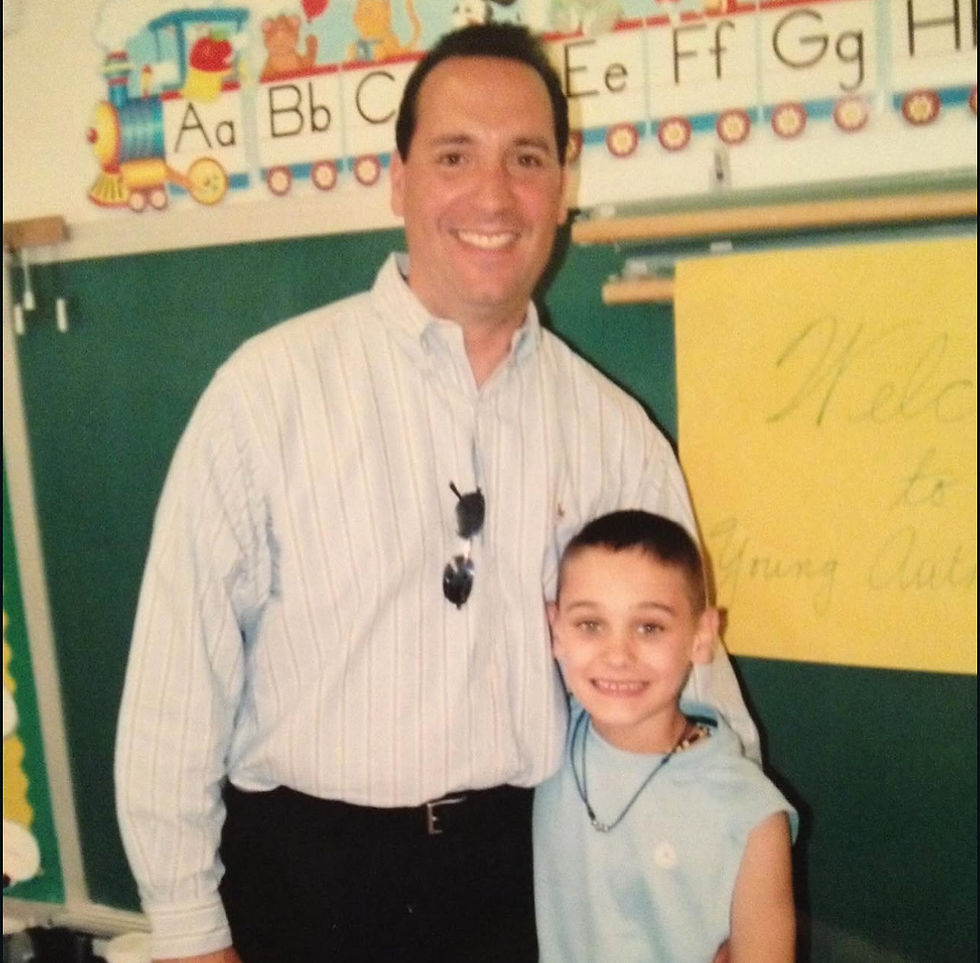
Today, even years after his passing, the memories remain present in our family’s daily life. Yet my mom continues moving forward because of the bond we share as a family and the strength we found together through tragedy.
“My kids,” she said when asked what keeps her going. “They helped me so much and their strength is so inspiring. Even the times during the disease we had laughs and good times that help us remember it in light.”
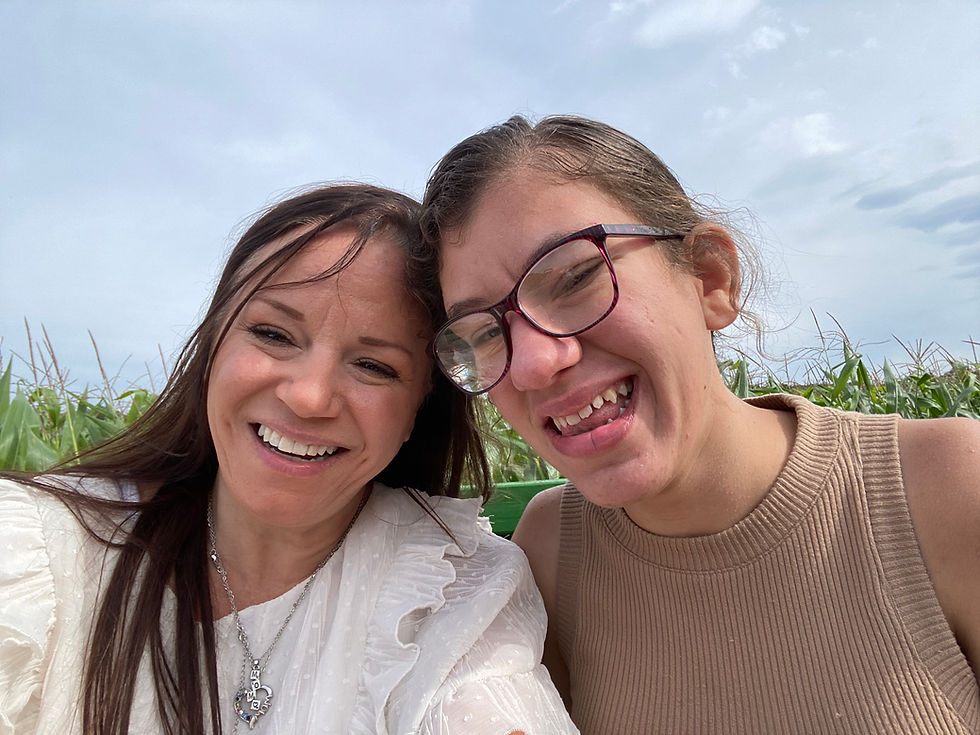
My mom’s story is not only one about illness and loss. It is ultimately a story about love, specifically the kind of love that endures exhaustion, fear, sacrifice, and heartbreak. Through every difficult moment, she embodied the promise she once made in her wedding vows through sickness and through health.


Comments