


Dying While Giving Life: The Crisis Black Mothers Still Face

By: Malani Blackman
When you think about pregnancy, you'd expect it to be one of the happiest experiences of a woman's life.
Although, for many black women in the United States, pregnancy can also come with fear and uncertainty. Despite medical advancements and improved technology, Black women continue to face significantly higher maternal mortality rates than white women, raising concerns about racial disparities within the healthcare system.
Maternal mortality refers to deaths related to pregnancy or childbirth complications. According to the Centers for Disease Control and Prevention, black women are several times more likely to die from pregnancy-related causes than white women in the United States. Health experts and advocates continue pointing to issues such as racial bias in healthcare, unequal treatment, lack of access to proper medical care, and black women’s concerns not being taken seriously by healthcare professionals.
The issue has gained increased attention in recent years as more women publicly share traumatic birth experiences and concerns about mistreatment during pregnancy and childbirth. Conversations surrounding Black maternal health have become more visible through social media, advocacy organizations, and national news coverage.
Nicole, a 42 year old Black mother of 2 agreed to be interviewed about the issue, described the fear many women experience when entering healthcare settings during pregnancy.
“When you’re a black woman giving birth, sometimes it feels like you have to fight to be heard,” she said. “You can explain your pain or concerns and still feel ignored.”
She explained that many Black women carry anxiety throughout pregnancy because of stories they have heard from family members, friends, or online discussions involving women who felt dismissed by doctors or nurses.
“You almost feel like you have to prove your pain,” she said. “That’s the sad part.”
According to Nicole, the emotional aspect surrounding maternal mortality goes beyond statistics. Knowing that black women are more likely to die from pregnancy-related complications creates fear within many communities.
“It’s scary knowing women who look like you are dying while giving life,” she explained. “Something that should feel beautiful becomes something people are afraid of.”
To compare experiences across generations, another interview was conducted with Juliet, who explained that discussions surrounding maternal mortality and racial bias in healthcare were far less common during her generation. While awareness has grown over time, many concerns remain similar.
“In my generation, women just dealt with things alone,” Juliet said. “A lot of us were just taught not to question doctors even if something felt wrong.”
Juliet explained that many women from earlier generations felt pressure to endure pain silently rather than speak openly about negative healthcare experiences.
“We were raised to just be strong and push through things,” she said. “A lot of women probably experienced trauma they never even talked about.”
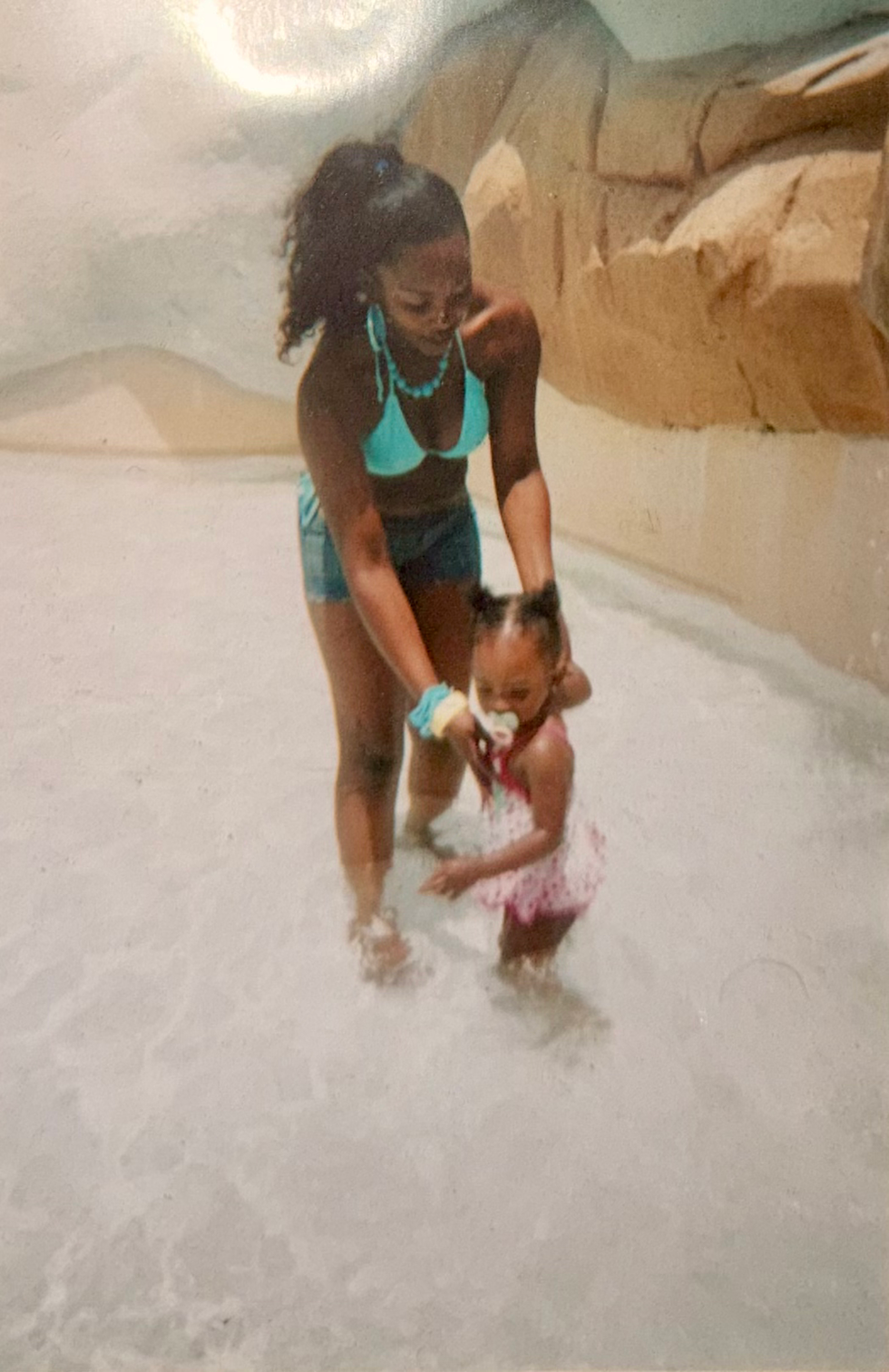
Even though the experiences between generations are different in some ways, both women described the same feelings of frustration regarding how a black women’s pain and concerns are sometimes handled within medical settings. Another issue they both discussed during both interviews was the pressure placed on these women to CONSTANTLY appear strong, even during painful or dangerous situations. Nicole explained that many Black women are taught from a young age to suppress pain and avoid appearing vulnerable.
“Black women are expected to be strong all the time,” she said. “But being strong shouldn’t mean suffering in silence.”
Health experts and advocates continue calling for improvements within maternal healthcare systems. Some hospitals and healthcare organizations have introduced programs focused on reducing racial disparities, improving maternal care, and educating healthcare workers about unconscious bias.
However, many believe significant changes are still needed to ensure black women feel safe, respected, and properly cared for during pregnancy and childbirth.
“Listening can save lives,” she said. “Sometimes women know when something is wrong before anyone else does.”
The issue of maternal mortality among black women continues to affect families and communities across the country. While awareness surrounding the crisis has increased, many women still face fear and uncertainty during what should be one of the most important moments of their lives.
The interviews with Nicole and Juliet had revealed that although conversations surrounding maternal health have become more public over time, many black women continue experiencing concerns about being unheard or dismissed during pregnancy and childbirth. Their experiences reflect a larger national issue that continues demanding attention, awareness, and change.
“No woman should feel afraid to give birth,” Nicole said. “Especially not because of the color of her skin."


Comments