


The Impact of Social Media on College Students
By Alani Banks
Social media have became one of the most influential parts of college students daily lives affecting communication academics mental health and social interactions. Platforms such as TikTok is now deeply connected to how students receives information connect with others, and spends there free time. While social media offer opportunities for learning networking and creativity many students and educators is also concerned about its negative affects including distraction comparison and addiction. At Molloy University social media has became one of the primary ways students stays informed about campus events and activities. Courtney Dalfonso, a director at Molloy University explained how much student communication have shifted online over the years.
“Social media has morphed into the primary channel that students turn to see what’s going on campus,” Dalfonso said “Departments can catch students attention if they can get them to follow them on social media.”
Colleges and universities across the country has increasingly relied on social media to reach students because traditional forms of communication is no longer as effective. Instead of reading flyers or checking bulletin boards many students now learns about events announcements and opportunities through Instagram stories TikTok videos and digital posts. Although social media can help students stay connected and informed many students says the constant use of these platforms negatively impact there focus and mental health. Kristine a student at Molloy University shared her personal experience with social media and why she choose to remove it from her phone.
“I took social media off my phones because I feel it negatively affects me” Kristine said. “I would go on TikTok for five minutes and find myself doom scrolling for hours.”
Many college students experiences similar habits. Social media platforms is designed to keep users engaged for long periods of time through endless scrolling recommended videos and personalized algorithms. What starts as a quick break can quickly turn into hours of screen time it takes away from studying sleep or in-person interactions. Kristine explained that the issue became more serious when she noticed how social media affected her daily life and mindset she said it made her feel distracted all the time.
“I think social media hurts students academically and mentally,” she said. “I felt myself comparing myself to others and using the time I would spend with family and friends or studying I would be on social media.”
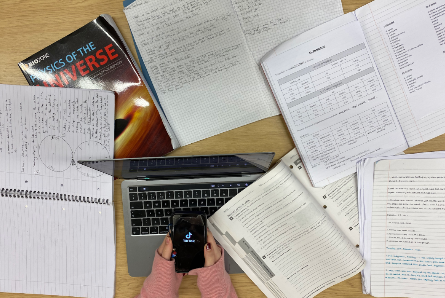
Comparison have became one of the biggest concerns surrounding social media use among young adults. Students is constantly exposed to carefully edited versions of other peoples lives including vacations achievements relationships and appearances. Even though many people understands that social media often does not reflect reality the pressure to compare can still effect confidence and mental health. For college students already balancing classes jobs finances and personal responsibilities social media can sometimes increase feelings of stress and anxiety, students often feel overwhelmed by it. Constant notifications and the pressure to stay connected make it more difficult for students to focus academically. Kristine also reflected on how social media distracted her from fully enjoying moments with other people.
“Even when I was in a social group I still had my phone out on TikTok” she said “I wasn't able to enjoy a moment.”
This behavior have became increasingly common among younger generations. Many people feels the need to constantly check notifications respond to messages or scroll through videos even while spending time with friends or family. As a result face-to-face communication can suffer because attention is divided between real-life experiences and online content this is becoming a huge problem. Despite the negative effects social media also have positive qualities when used responsibly. Many students uses social media to discover educational content career opportunities and creative inspiration. Platforms like TikTok and YouTube is filled with tutorials study tips cooking videos and informational content that students can learn from daily. Dalfonso believes social media can even help students improve important communication skills.
“I think social media is a tool that can enhance students communication skills,” she said. “Just like any piece of writing or presentation social media has an audience and format that requires careful consideration of craft.”
Her perspective highlights how social media have evolved beyond entertainment. Students now uses digital platforms to market businesses create portfolios network professionally and share creative projects. In many ways students are constantly practicing digital communication skills that may eventually help them professionally which is important for there future careers. However experts and students alike agrees that balance is important. Dalfonso encourages students to use social media intentionally instead of mindlessly scrolling for entertainment. Intentional social media use may became increasingly important as younger generations spends more time online. Many students recognizes that social media itself are not necessarily the problem but rather how often and how mindlessly it is used.
“I’d tell students to use social media intentionally,” she said. “Use it to practice your communication skills, to build networks and relationships, and for personal growth.”
In my opinion social media can be both beneficial and harmful depending on how someone use it. I personally do not believe in using social media in the traditional way where people constantly posts everything they do or every place they go because it dont always seem safe. However I do believe social media can be extremely useful for learning new things discovering ideas and finding information quickly. I often use social media to learn how to complete tasks or discover new perspectives in that sense social media can function as an educational tool rather then simply entertainment. However I believe there needs to be a healthy balance between social media and everyday life.
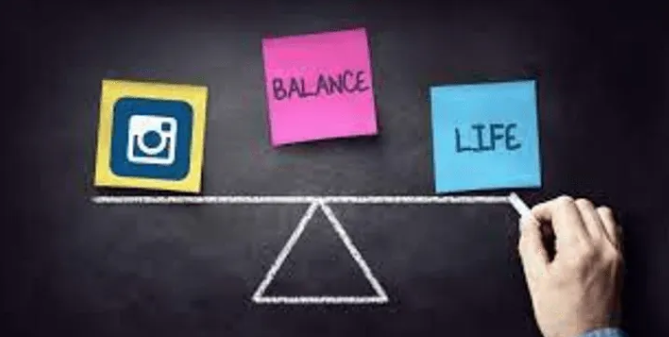
It is important for students to stay realistic when comparing themselves to what they see online Social media often shows only the best moments of peoples lives rather than the full reality. If students understand that and maintain balance social media can be a positive part of there lives. However for students who struggle with comparison distraction or mental health issues related to social media limiting screen time may be necessary. Looking ahead social media will likely continue becoming even more integrated into education communication and student culture. Colleges may eventually place greater focus on teaching students about digital wellness screen time management and healthy online habits. As technology continue evolving students will need to learn how to benefit from social media without allowing it to negatively impact there mental health academics or personal relationships.
Ultimately social media has completely transformed the college experience. It have created new opportunities for connection creativity and communication while also introducing new challenges involving distraction comparison and overconsumption. Whether social media becomes positive or harmful often depends on how intentionally students choose to use it in there everyday lives.

Comments